The people
Some of what they made you can hold. Some of it is an artifact, a coat or a ceremony. Some of it you can only take part in: a silence, a crossing, a place for something else to live.
IloWetlands, late summer
Ilo
Made: Hollow, a stone that lets you feel the lake
Ilo spent three summers at the lake learning its rhythms. Then she made Hollow: a palm-sized stone, smooth as a river pebble but too perfect to be one, with a shallow dish on top that holds a single drop of lake water.
You leave it in the shallows overnight and it listens: the frogs, the wind on the water, the cold before rain. In the morning you hold it, breathe on it until the dish fogs, and think of your question. It answers into your palms, the night slowed down to a pulse and a warmth you read like weather.
After a summer with one, most people can feel the lake without it. Others have made theirs for forests, rivers and the wind.
"I didn't teach the lake to talk. I just made a way to listen."
SenaHilltop, before sunrise
Sena
Made: thirty silent mornings at the edge
For years Sena climbed the hill alone to watch the sun come up. Now anyone can join her for thirty mornings. You arrive in the dark, draw the hill's contour lines on your face in river clay, and sit along the edge in a loose line. Nobody speaks.
Each morning you record one minute of what you hear on a small clay recorder and hold on to one thing you're grateful for. When the sun clears the ridge, you go home. On the last morning everyone swaps recorders and listens to someone else's month.
"I didn't start anything. I just kept going up, and the hill did the rest."
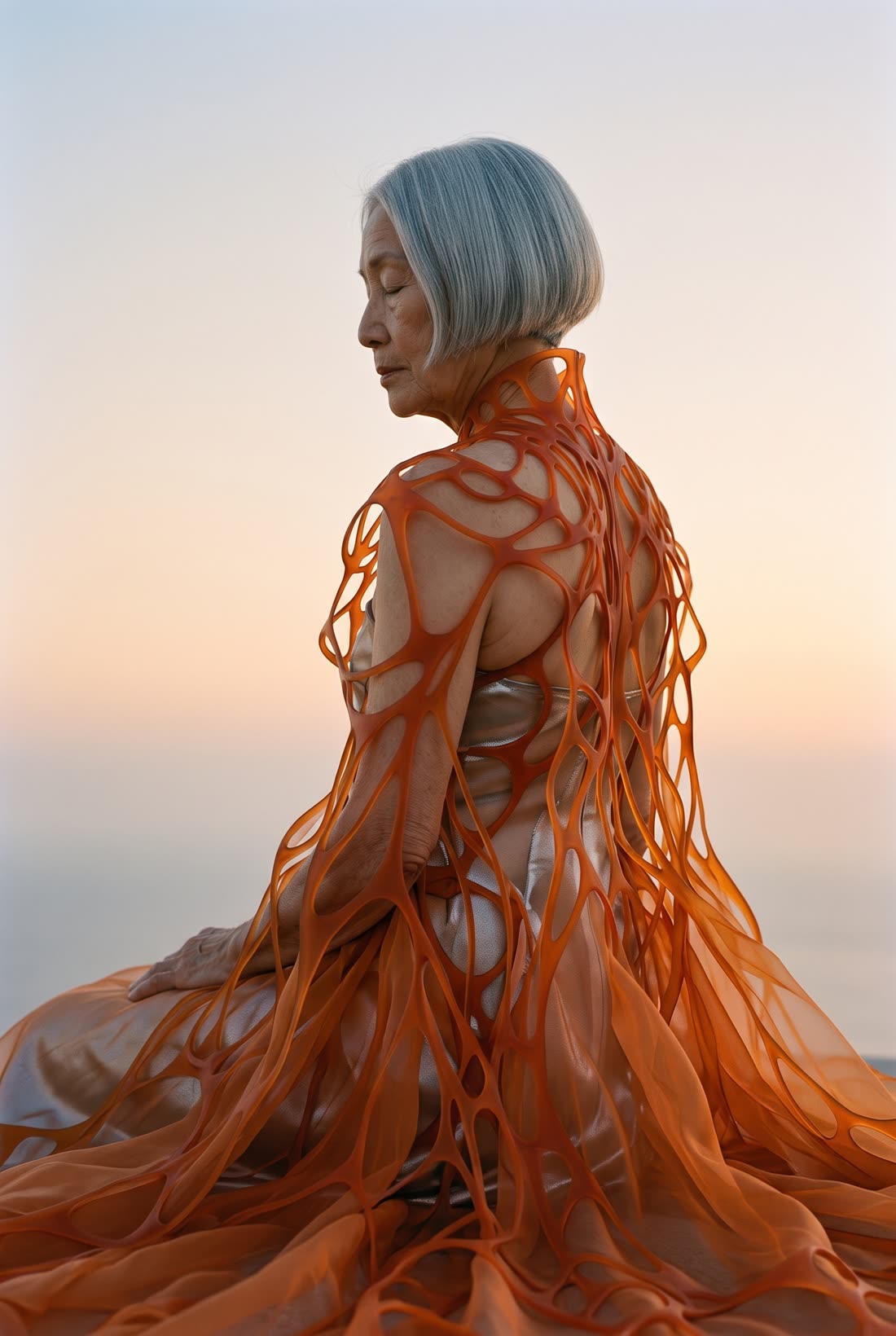
Mira, 81Old wood above the sea, dusk
Mira
Made: a 300-year watch over a forest
Mira doesn't plant anything; nature knows better how to do nature. Every week for forty years she has walked the same slow route through the old coastal wood, stopping at twelve marked trees to write down what changed: what fell, what grew into the gap, which birds came back, where the water ran.
The only things she ever takes out are the ones people brought in. Each season she files a report to the village. Her grandchildren walk the route with her now, and the ledger will outlive all of them: in three hundred years someone will read how this forest grew, week by week, in a dozen handwritings.
"Some things you start so the people after you have somewhere to sit."
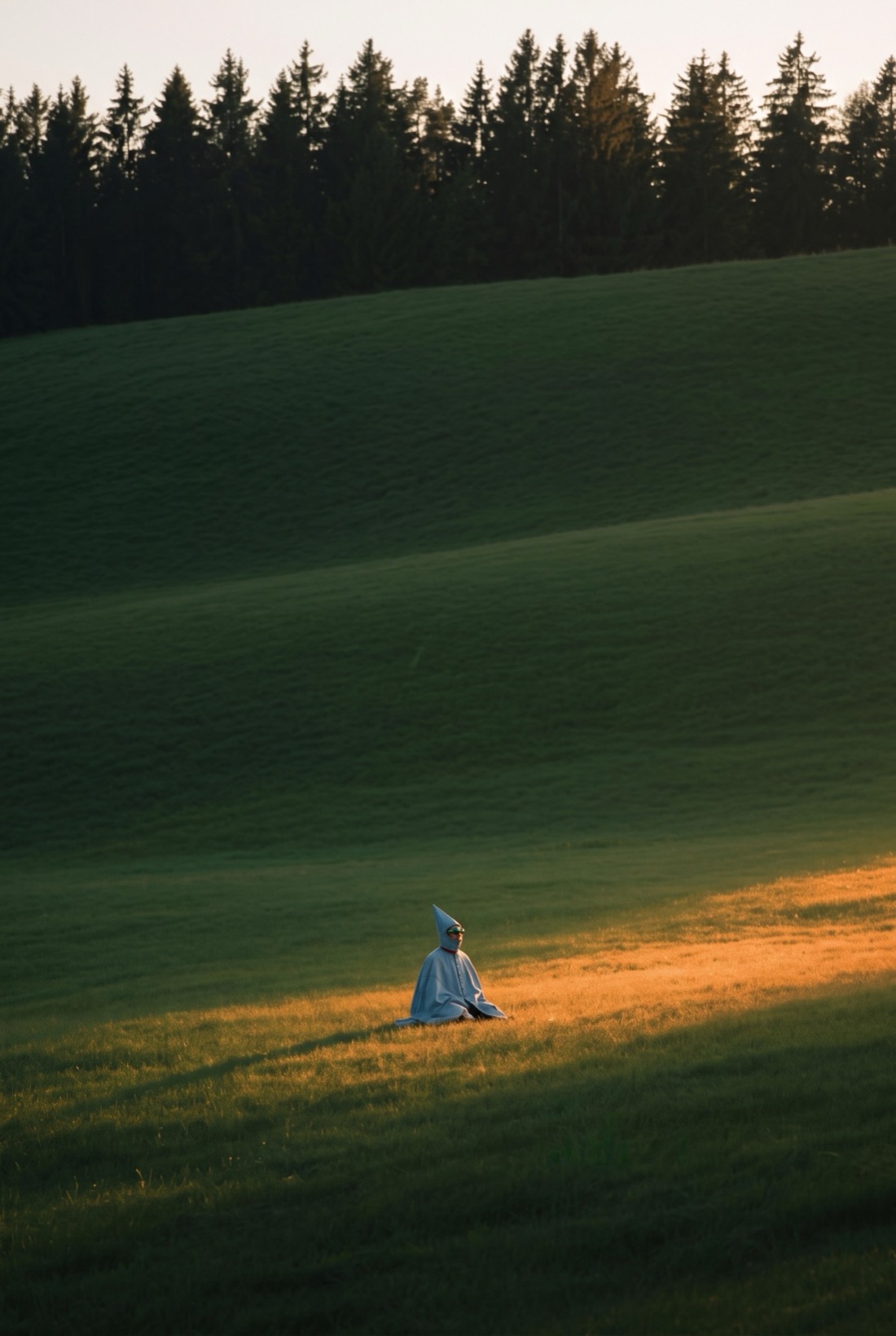
TorMeadow below the pines, late summer
Tor
Made: one garment for everything
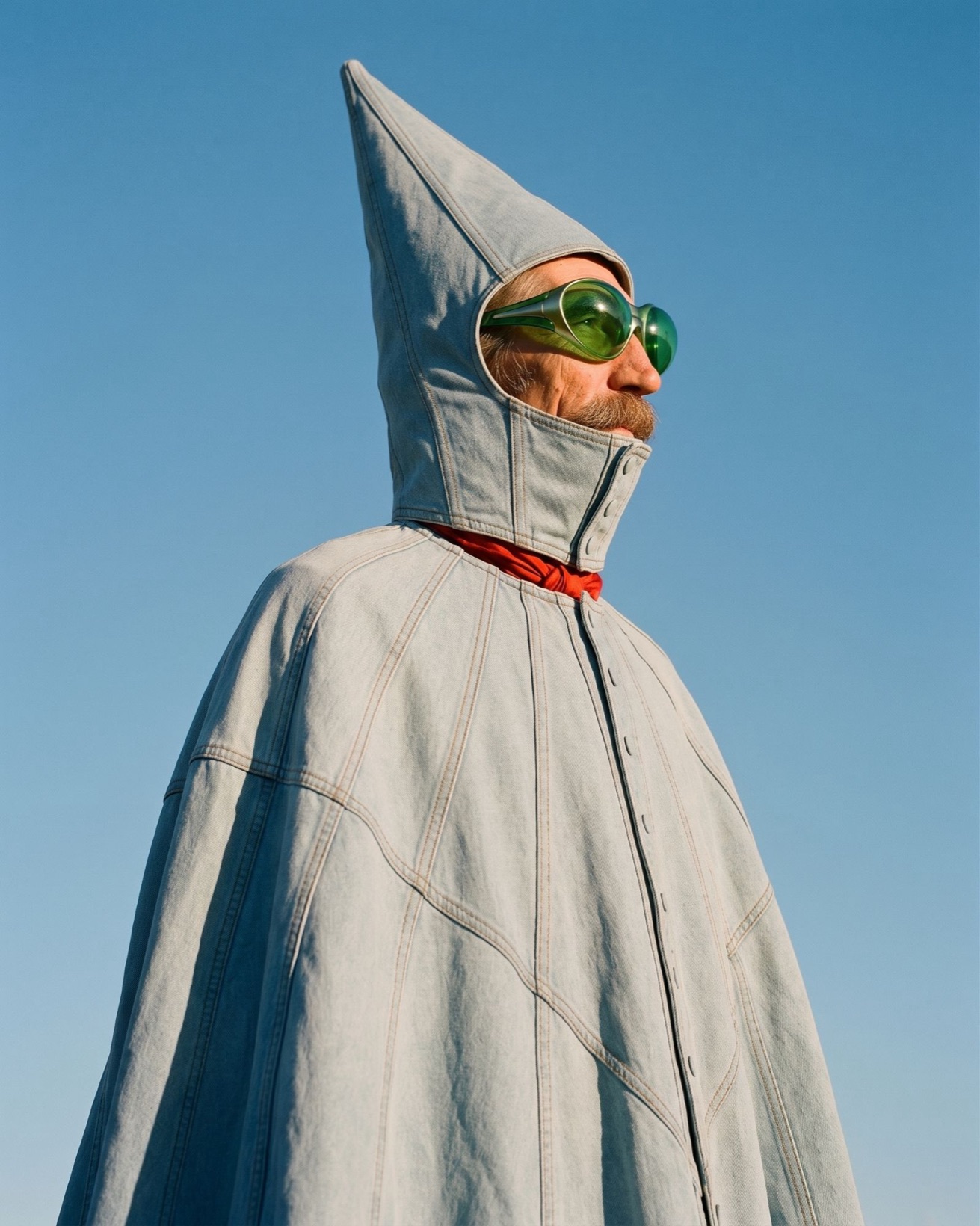
Tor makes clothes that are an extension of the person wearing them, not a mask. Each piece is meant to be worn for twenty years and to do many jobs. His own pale denim cape is a windbreak with the hood up, a groundsheet when it snaps open, a bag when it's folded and buttoned, and shade over two sticks.
The rest is expression: the seam lines, the colour of the scarf, the shape of the hood. His comes from the pine tops above the meadow. In the village people recognise each other from a distance by their seams, like handwriting.
"Clothes used to cover people up. I make them to let people out."
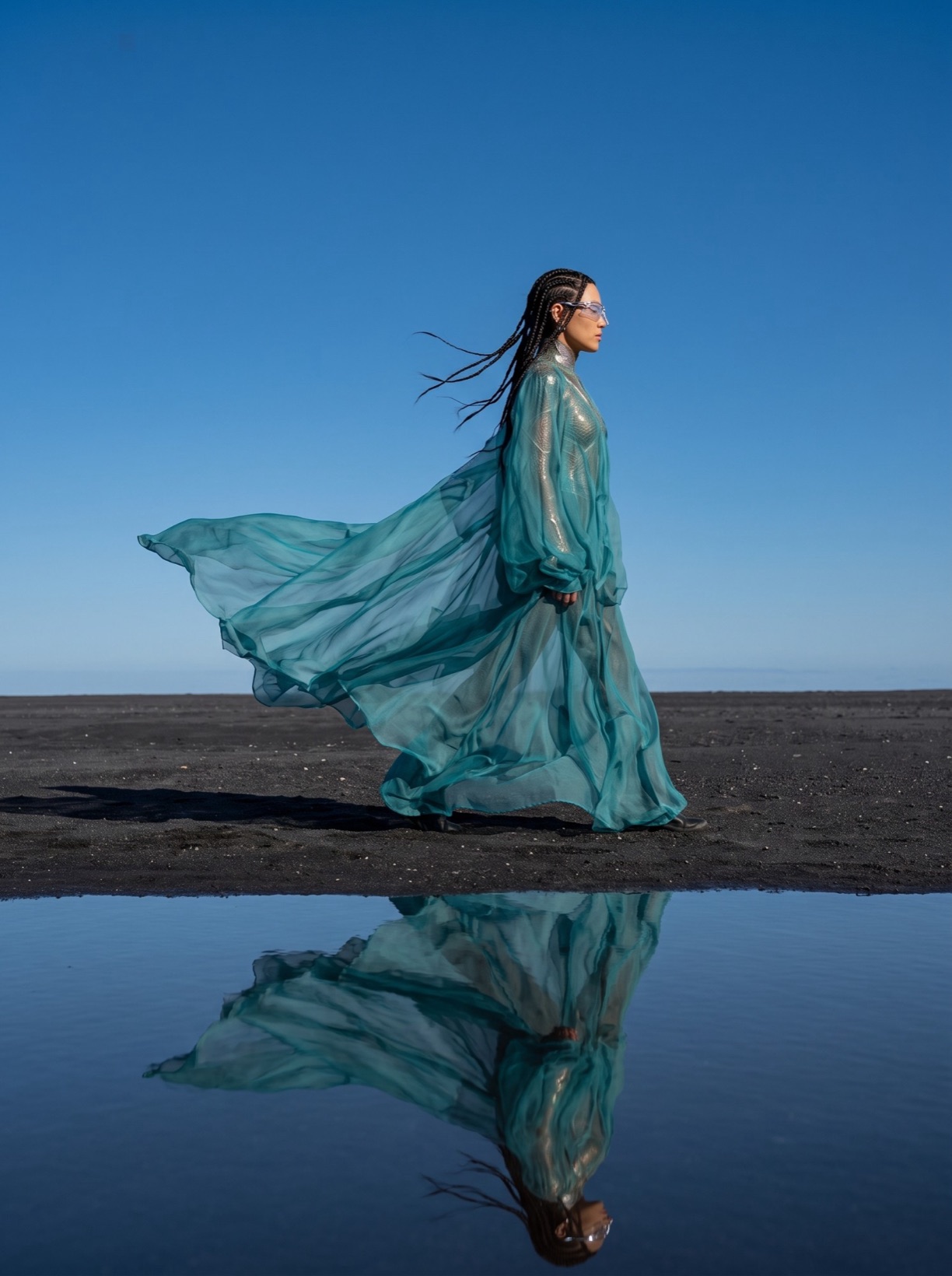
NuriStill water, dusk
Nuri
Made: instruments hammered from what you bring
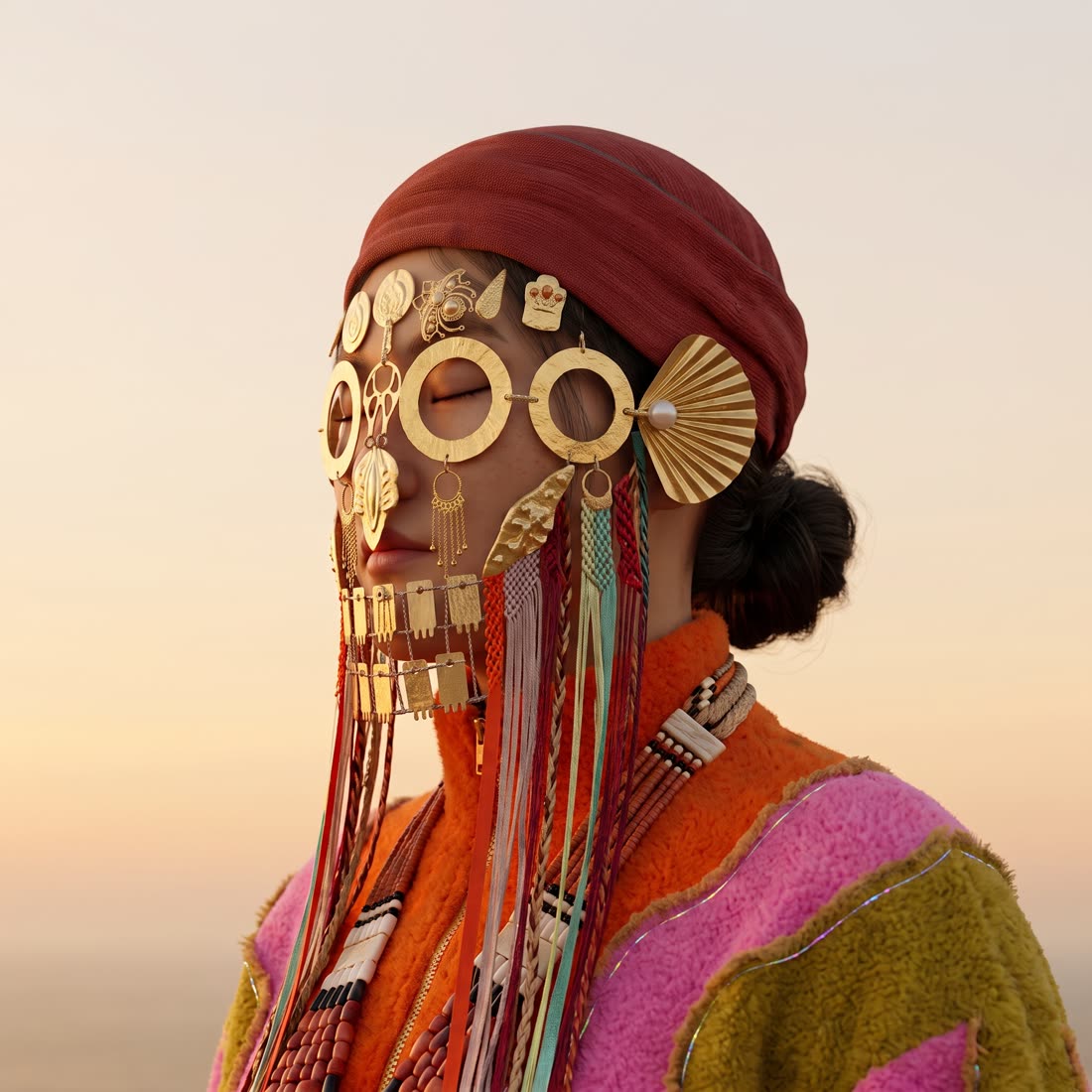
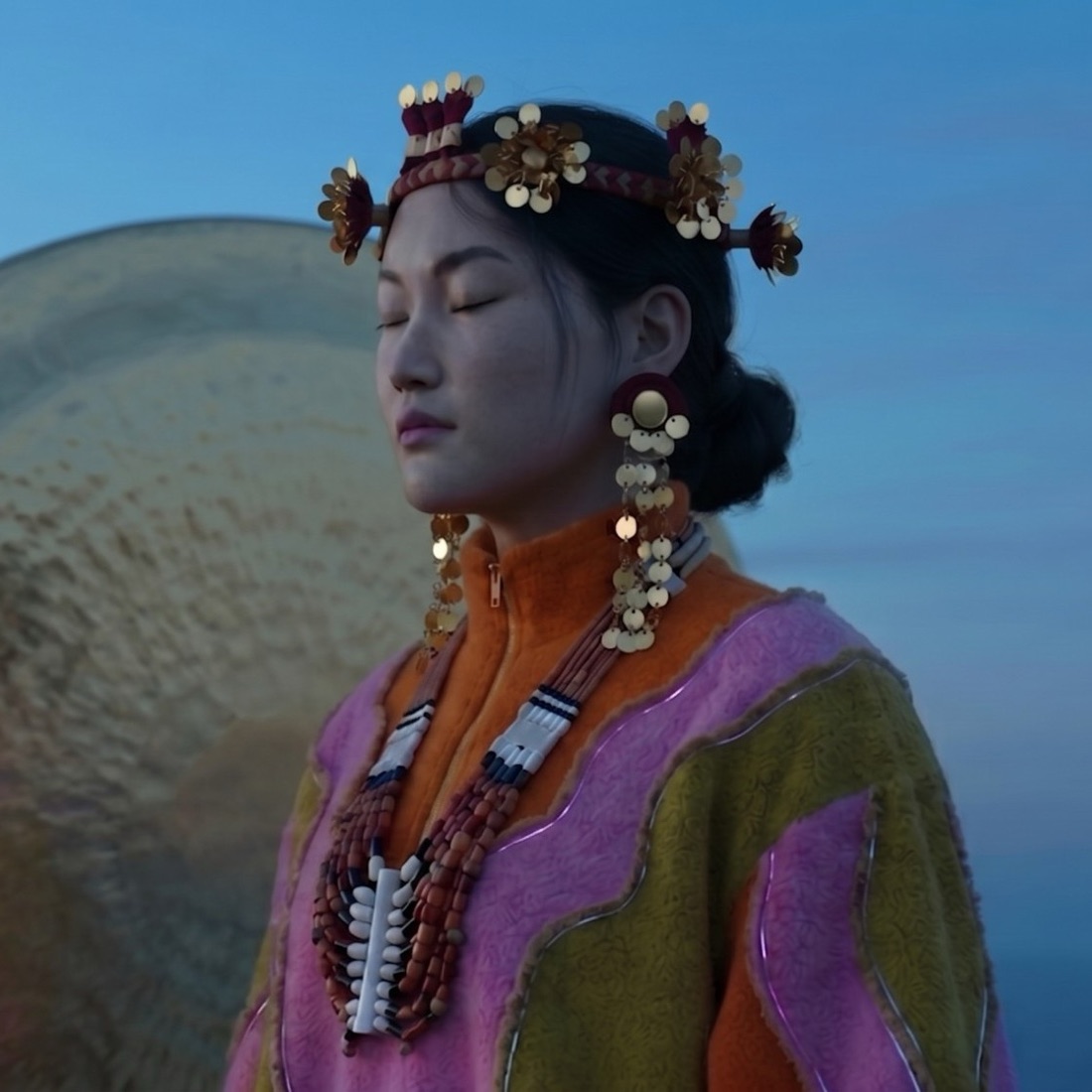
Nuri makes her own instruments. People bring her a small thing that matters to them, a ring, a key, an old spoon, and she hammers it cold into a thin gold disc on a wooden stump, one tap at a time. Every tap raises the pitch. The person hums a single note while she works, and she stops when the gold rings it back.
The discs hang from her crown. When she moves in the ceremony they all sound at once, and people say they can pick out their own note. She's taught the hammering to eleven others, and each of them tunes differently.
"Nobody has to say why they came. The gold says it for them."
BramSalt flats, late autumn
Bram
Made: a nine-day crossing that teaches you the wild
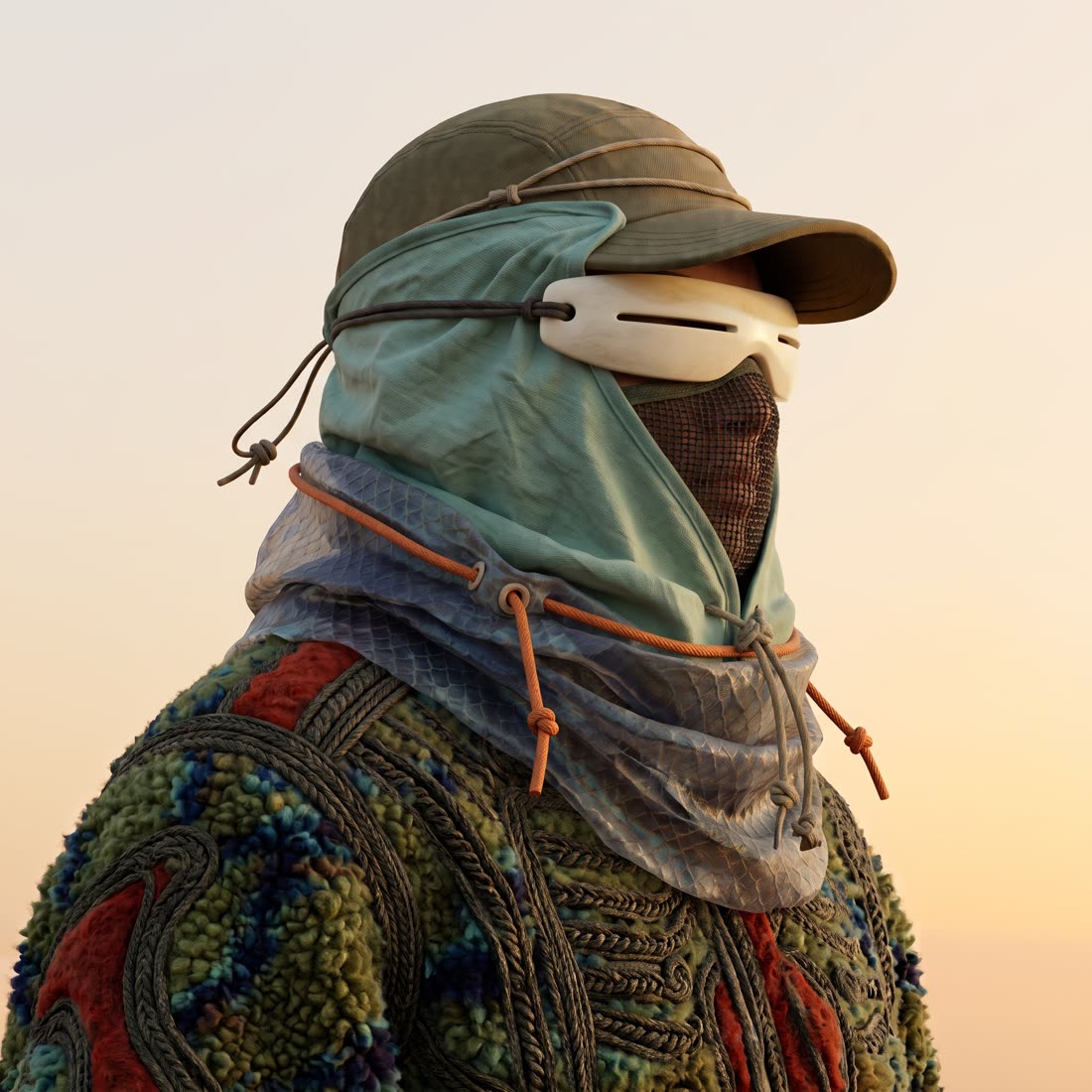
Bram guides small groups across the salt flats and up into the hills once a year. He doesn't make it easy. There's wind that knocks you down, nights below freezing, and one day where you carry all your water and ration it.
He teaches people to read a storm coming, find the lee, build a windbreak from salt blocks, sleep back to back, and layer what they wear: net against the wind, waxed sail against rain, fleece for the night. By the ninth day most of them stop fighting the land and start moving with it. Everything he wears was made from what the sea left on the shore.
"Nature isn't gentle, and it isn't cruel. It just asks you to be stronger than you thought."
OrenPond house, spring
Oren
Made: a pond left to find its own balance
Oren dug a pond behind his house twelve years ago, then mostly stayed out of its way. The first year it was clear and empty. The second it turned to green soup. He didn't fight the algae; he brought rushes and water plants from an old pond nearby and gave the south side some shade.
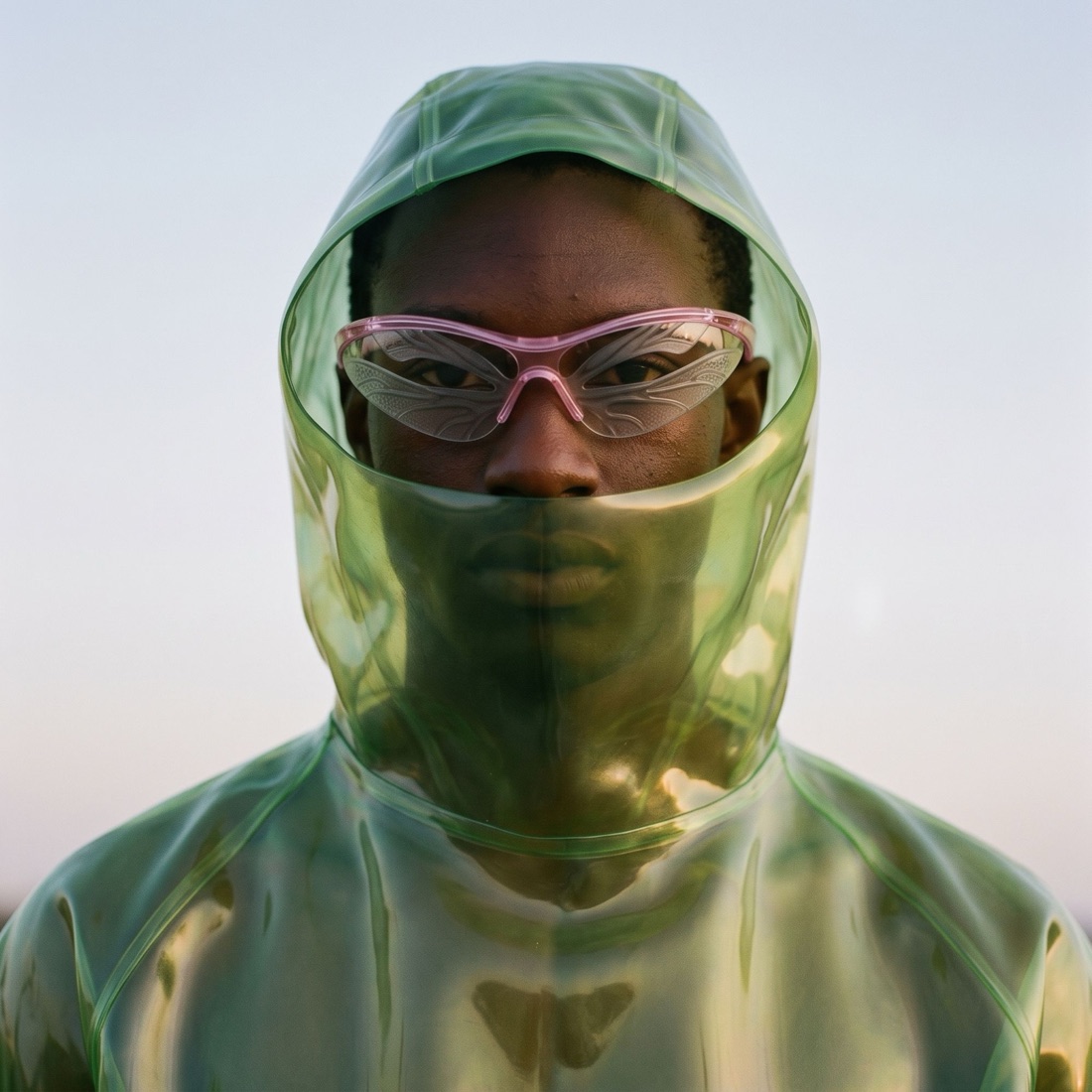
By the third year water fleas had eaten the green and the water ran clear. Frogs came, then dragonflies and newts, then herons. Last spring, otters nobody had seen in the valley for a century. His hood is grown from that first algae bloom.
"I'm not the point of the pond. That took me a few years to learn."
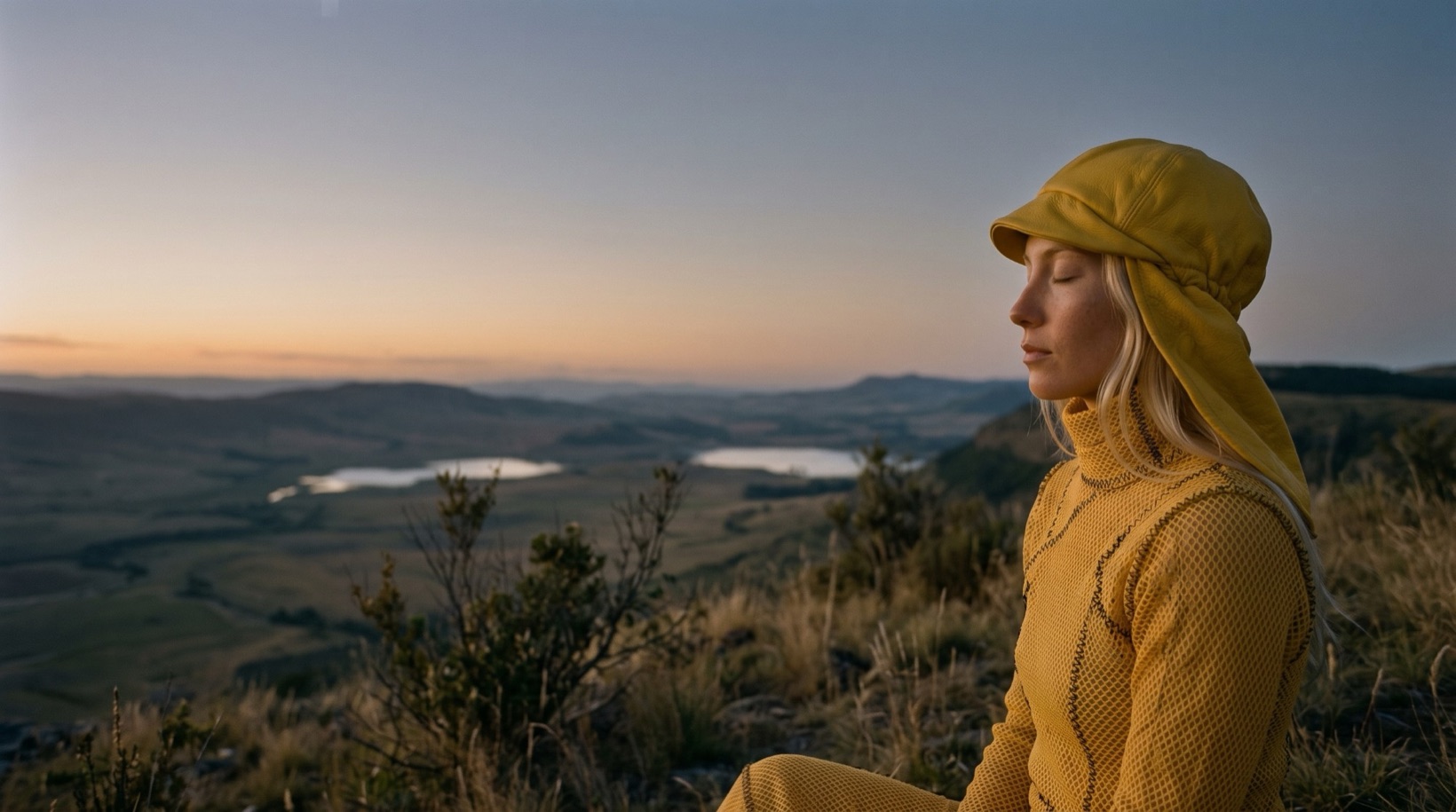
HeddaHilltop above the lakes, early autumn
Hedda
Made: a library with no pages
Hedda sits with the oldest people on the coast and listens to a story again and again until she has it. Then she ties each part of it to a place along a walk over the hill: the cairn, the gate, the bent pine, the stream.
She walks the route with the children and tells each part where it belongs. Each child takes one stop and tells it back. A story ends up living in about thirty people, each holding a piece and changing it a little every time it's told. Once a year they walk the whole route together.
"A story that's written down stops growing. I'd rather it stays a bit wild."